Situational Judgment #30 - Many Ways of Knowing
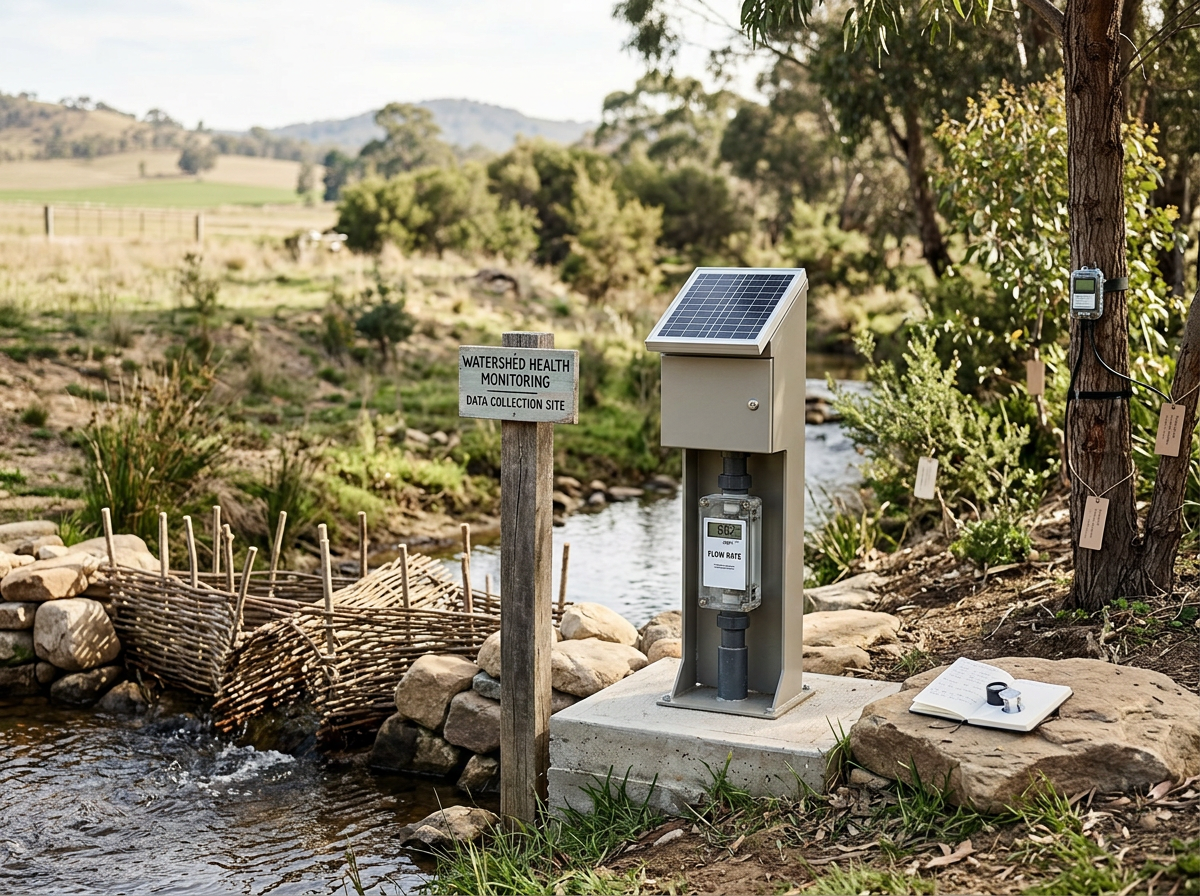
Traditional Indigenous knowledge, government standards, and ecosystem science offer different approaches to rural water management.
Whole Engineer
Situational Judgment
Case 03 · The Failed Experiment
The experiment produced no data, and one anomaly
Step 0 of 8
Before you start
How this works
You will answer the same question twice. The first time is yours alone — no options, no framework, no prompts. Then you'll be coached, and you'll answer again. The gap between the two is the point of the exercise.
What to expect
- Step 1 gives you the scenario and nothing else. You write what you would actually do. Once you submit it, it locks — you cannot go back and improve it.
- Steps 2 to 4 ask you three questions drawn from entrepreneurial mindset. They aren't tests. They're the questions a more experienced engineer would have asked before answering.
- Step 5 coaches you on character — specifically on the two ways your instinct can fail: by having too little of a quality, or too much of it.
- Step 6 is your rewrite. Step 7 puts both versions side by side.
- Nothing is saved to a server. Take your record with you at the end.
What is recorded. Your written answers, under this section code and pseudonym. Not your name, email, or IP address. Step 5 asks you to identify your own failure mode — the pseudonym exists so you can answer that honestly.
Before you can start
Our Approach
Situational judgment scenarios put students in the condition their careers will actually present — incomplete information, competing legitimate goods, and options that are all defensible engineering — where the technically right answer isn't sufficient on its own.
This is how we Educate the Whole Engineer.