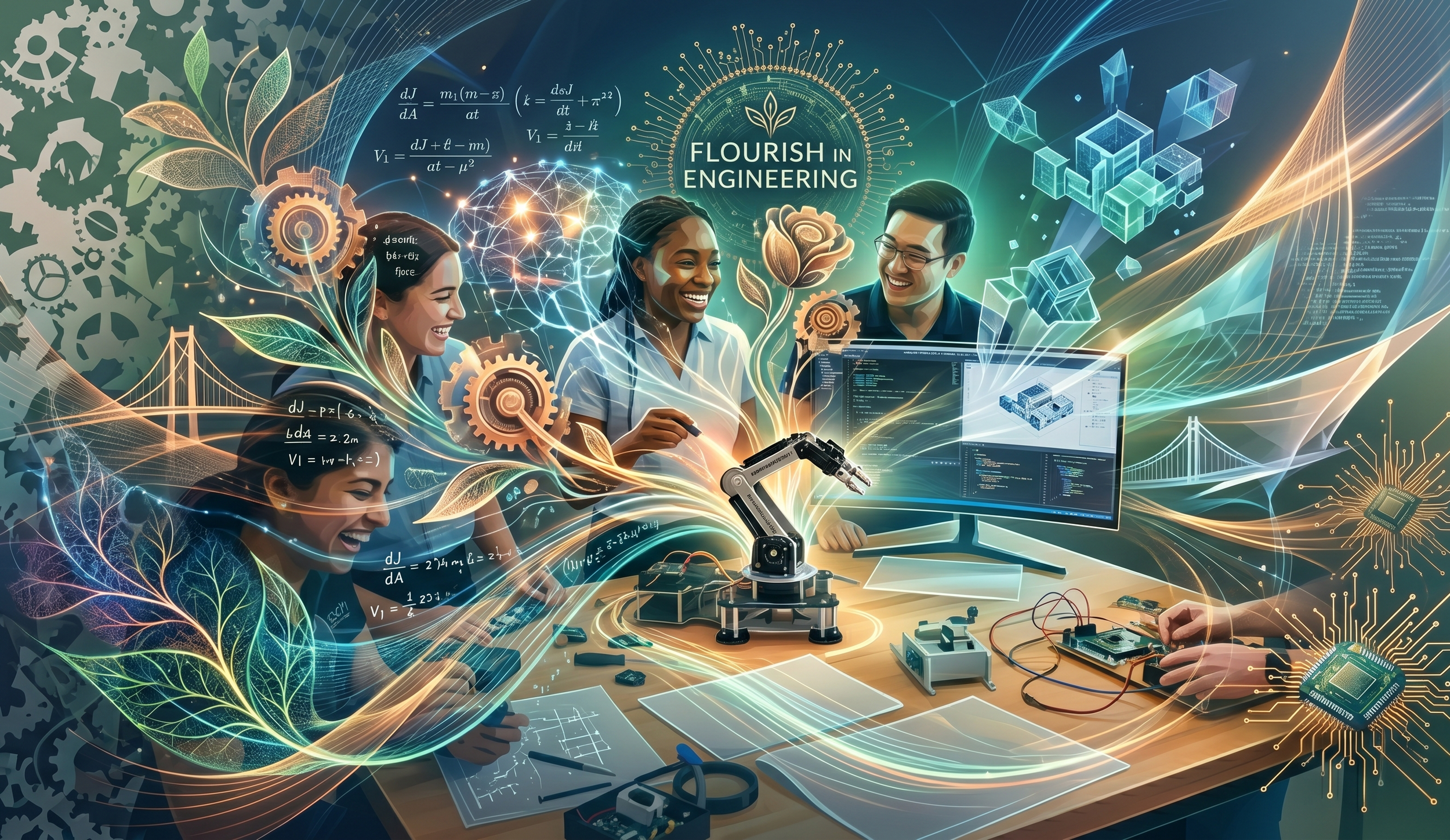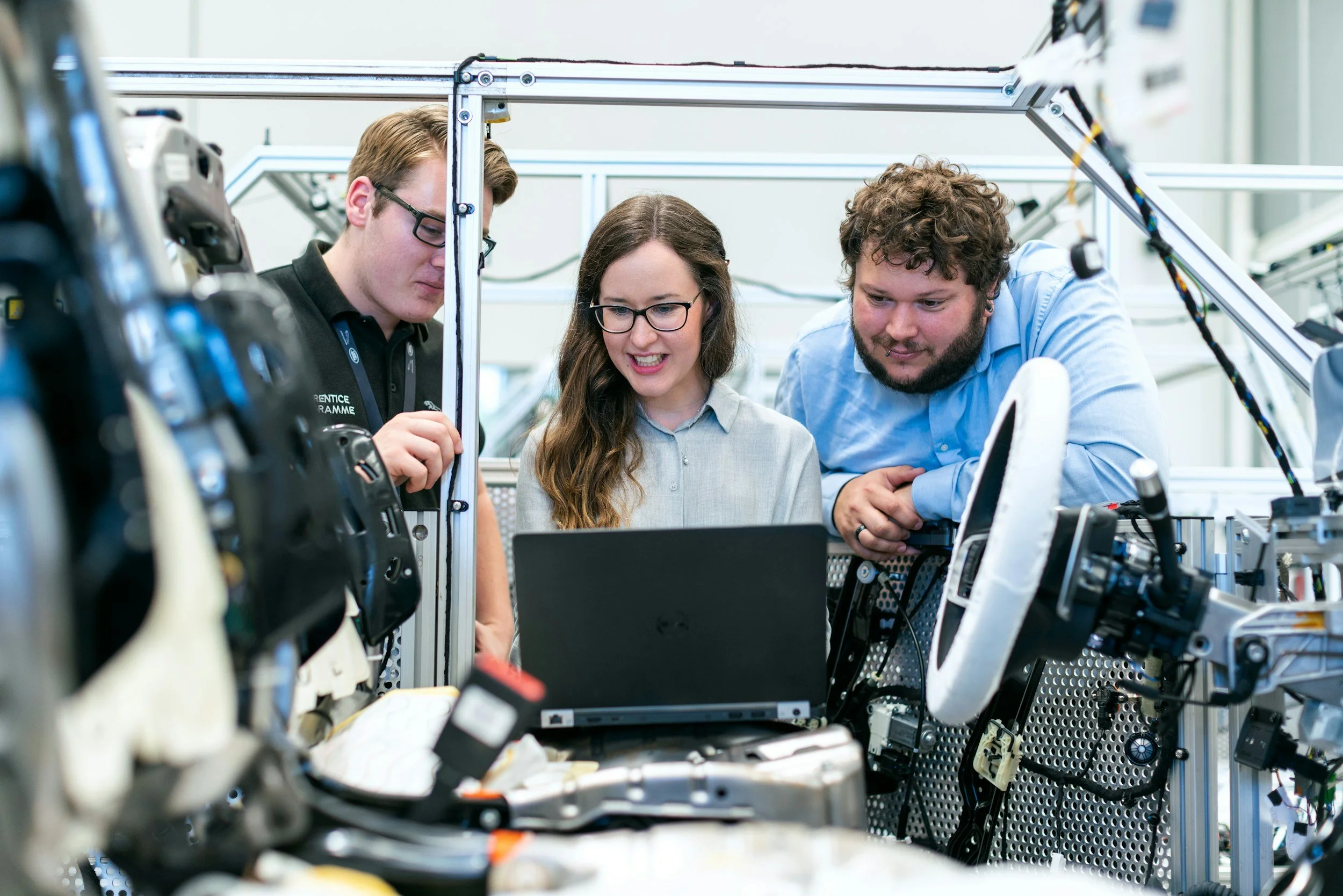
Pioneering the Future of Engineering and Technology
The Paradigm Shift in Engineering Education
Educating the Whole Engineer represents a structural revolution in higher education, redefining leadership formation as the intentional integration of competence, character, identity, and agency. Rather than treating leadership, ethics, and professional skills as peripheral add-ons, this virtue-grounded, experiential, and interdisciplinary model embeds character development directly into the technical core.
Through sustained engagement in real-world, stakeholder-driven challenges, students develop profound technical mastery alongside ethical judgment, systems thinking, and collaboration. The result is a cohesive, theory-informed educational architecture that prepares engineers not only to solve complex problems, but to lead responsibly and contribute to human and societal flourishing.
"For creating and implementing a virtue-grounded, experiential, interdisciplinary engineering education paradigm that integrates character, leadership, and technical formation to develop engineers prepared for responsible, real-world impact."
-
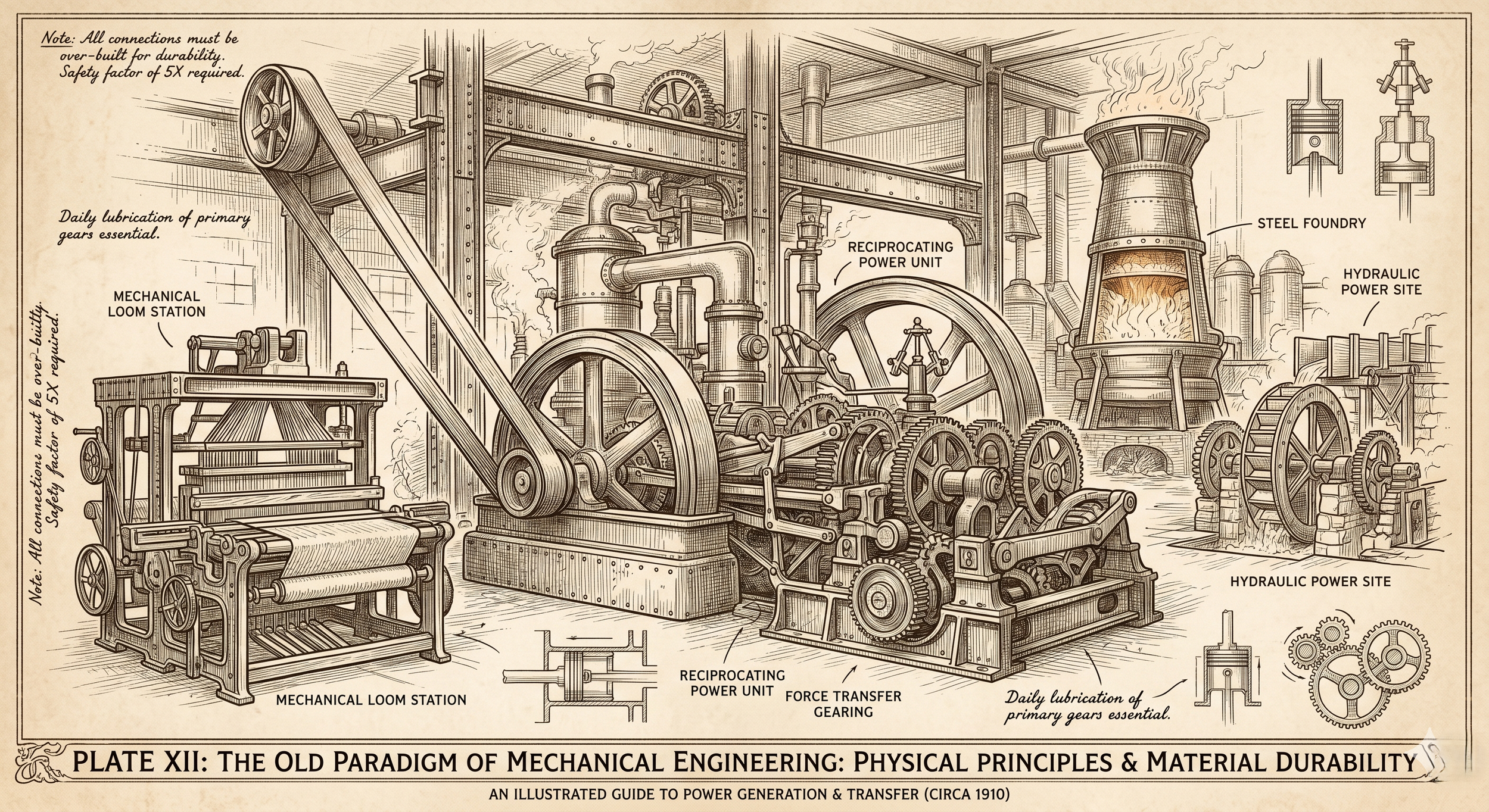
Traditional Engineering Education
-
rigid curricula
siloed disciplines
lecture-dominant pedagogy
technical competence detached from ethics and humanity
limited student agency
transactional advising
compliance-based ethics
competition over flourishing
-
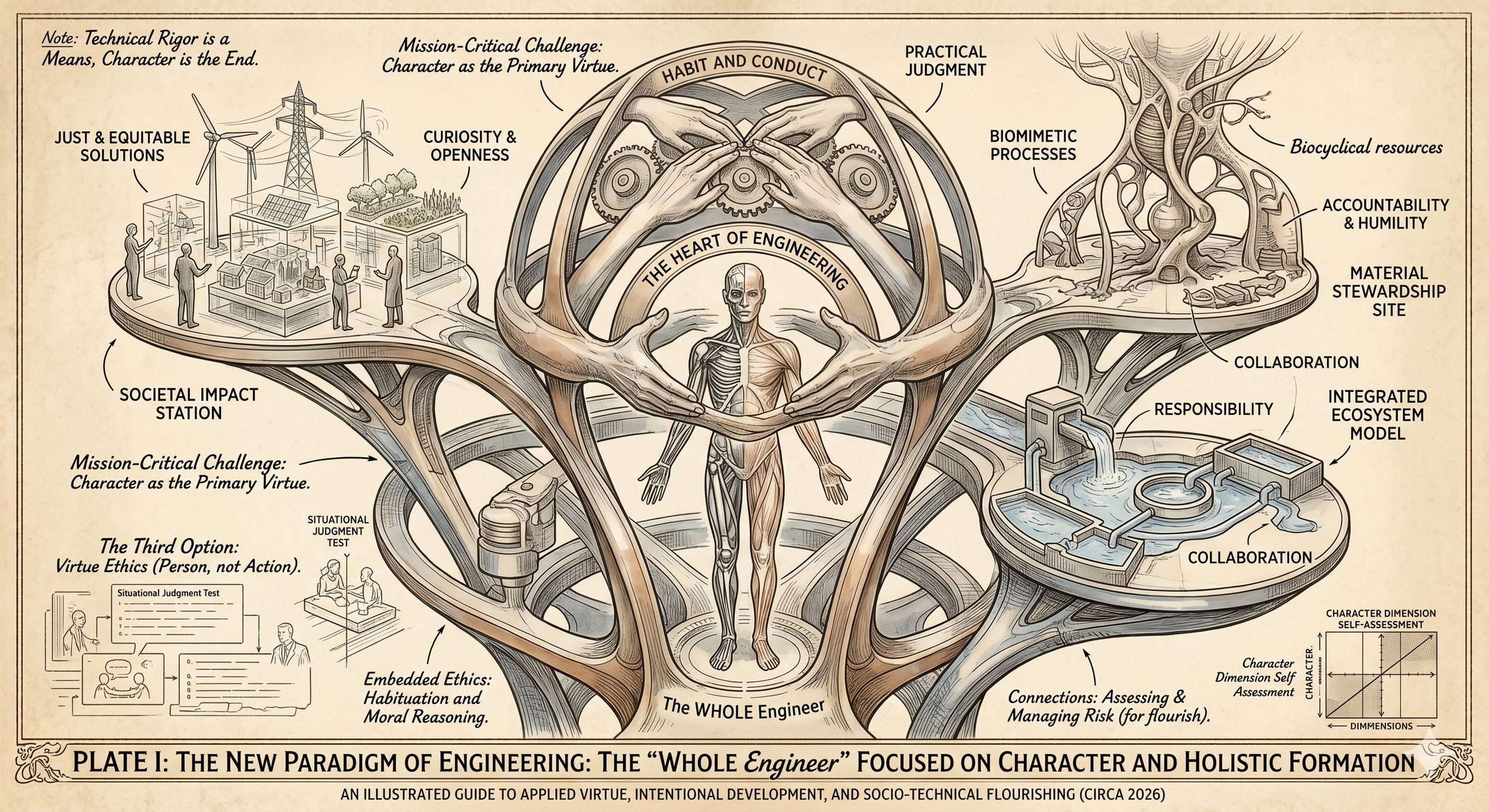
The WHOLE Engineer Program
-
technical excellence
character and virtues
experiential learning
interdisciplinary thinking
leadership development
ethical judgment
communication
student agency
flourishing
civic responsibility
human-centered design
adaptive learning environments
Areas of Inquiry