Advising
Academic Advising to Support the Whole Engineer
Educating the Whole Engineer
Integrated Advising Model
We believe that an engineering degree should be more than just technical training—it should be a launchpad for a purposeful life and a dynamic career. In response to the growing need for relevant, student-centered higher education, we didn’t just build a new program; we built a transformative advising model designed to educate the Whole Engineer.
We have intentionally reimagined the traditional approach to academic and career advising, fusing them into a single, seamless, and powerful experience from the moment you step onto campus.
Our Model: Integrated Advising for Maximum Impact
Why Integrated Advising?
The demands on modern engineers are complex. They require technical mastery and the ability to communicate, lead, innovate across disciplines, and adapt. Our integrated model ensures your academic choices (courses, majors, minors) directly inform and accelerate your career preparation, creating a highly customized path to success.
The Theoretical Foundation for Your Success
Our approach isn’t arbitrary; it’s informed by leading psychological and career development theories:
Self-Determination Theory: We foster your autonomy and competence, empowering you to take ownership of your learning and career trajectory.
Identity Theory: We help you explore and define your professional identity as an engineer who can integrate diverse interests.
Social Cognitive Career Theory: We connect your personal interests, abilities, and environment to shape and realize your career aspirations.
The Results: Engineers Ready for Anything
Our integrated model doesn’t just promise success; it delivers tangible outcomes that set our graduates apart.
Your Customized Engineering Journey
We are committed to understanding
Your Unique Potential:
Entrance & Annual Assessments: We start with entrance surveys to understand your initial aspirations and follow up with annual assessments, ensuring your pathway adapts as your interests evolve.
Curriculum Integration: Advising isn’t a separate meeting; it’s embedded within the curriculum, making goal-setting and reflection a continuous process.
Student-Informed Decisions: We don’t just tell you what to do; we listen. Student insights are a powerful driving force, informing not only course selection but also program enhancements and advising practices.
This adaptive advising system supports diverse student pathways while maintaining rigor.
Transforming Engineering Education for the Future
The world needs engineers who are technically brilliant, globally aware, and adaptable. By transforming our advising practices, we are addressing the urgency for change in higher education and creating graduates who are prepared for the betterment of society.
Will you be an engineer who changes the world?
Ready to Learn More? Download the paper.
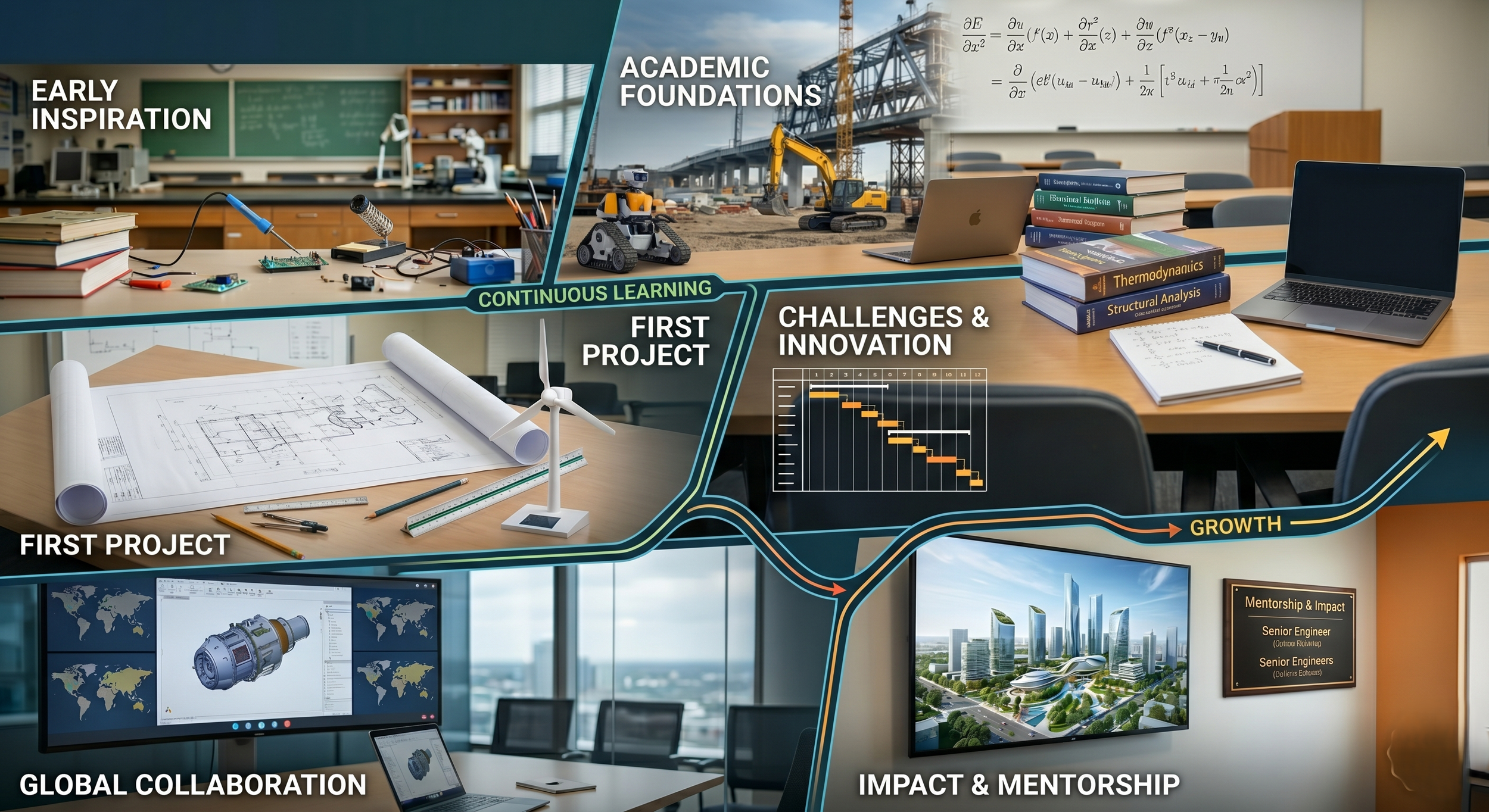
Rethinking Engineering Education: The "Whole Engineer" Blueprint
The value of higher education is facing unprecedented scrutiny. Critics point to rising costs, misaligned job readiness, rigid curricula, and outdated advising models. Engineering education is not immune to these challenges—for decades, national reports have urged systemic reform.
Transformation is not just possible; it is already happening. By shifting from a rigid, transactional curriculum to an agile, student-centered advising and curricular model, we can redesign engineering education to meet the evolving aspirations of today’s diverse student body.
The Core Philosophy: Educating the Whole Engineer
Traditional engineering programs often force students to fit into a rigid box. The "Whole Engineer" approach reverses this dynamic, customizing the educational journey around the unique background, motivations, and evolving goals of each individual.
Theoretical Foundations
This student-centered framework is built on three robust theoretical pillars:
Self-Determination Theory: Fostering autonomy, competence, and relatedness to drive intrinsic motivation.
Identity Theory: Helping students integrate their emerging professional engineering identity with their personal values and diverse interests.
Achievement Goal Theory: Encouraging a mastery-oriented mindset where learning, exploration, and resilience take priority over mere compliance.
The Agile Method: Data-Driven, Just-in-Time Support
To build a program capable of adapting to students in real-time, academic and career advising must integrate directly with the curriculum. By capturing student data at every milestone, institutions can pivot from static tracking to active, responsive journey-mapping.
Interested in learning more? Click below.